

Future Classroom of Indonesia: Reimagining Education for a More Human and Student-Centered Future
What kind of classroom do young people actually need for the future? Not just to survive exams. Not just to chase grades. But to become human beings who are confident, curious, compassionate, and brave enough to shape the world around them.
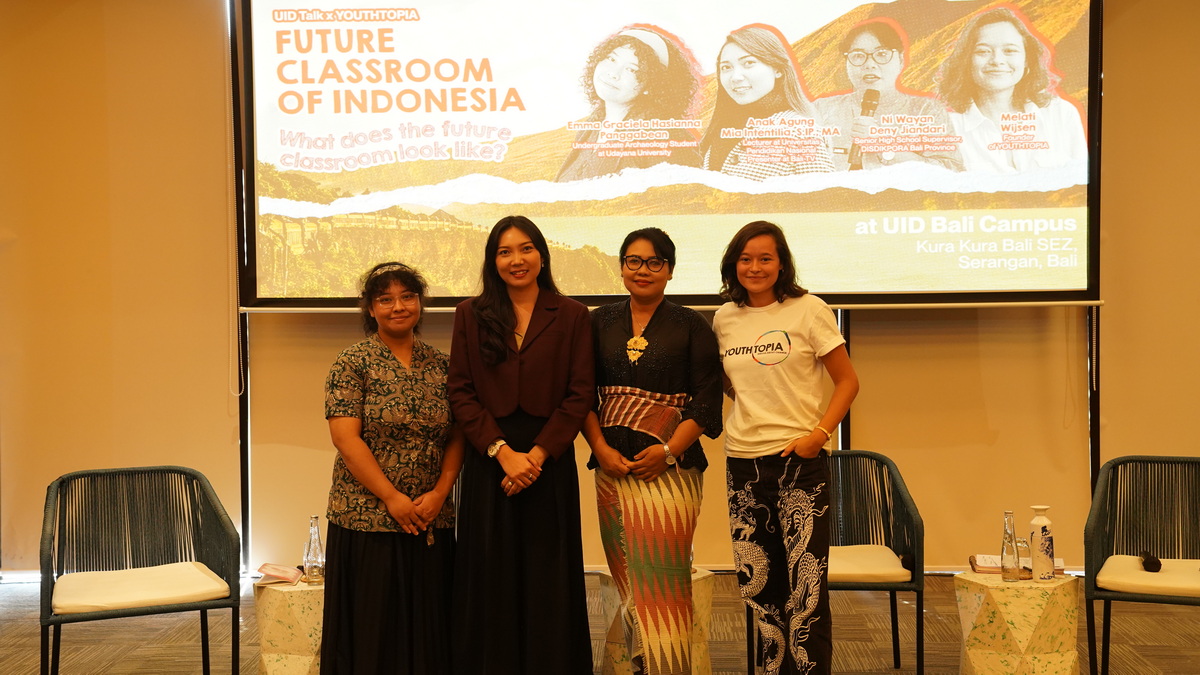
This question became the heart of Future Classroom of Indonesia 1.0, a collaborative forum organized by YOUTHTOPIA in partnership with UID Bali Campus on 7 May 2026. The event brought together students, teachers, lecturers, universities, NGOs, communities, government representatives, and changemakers to openly reflect on the realities of education in Indonesia today and to imagine what education could become.
More than a discussion, the event became a space for honesty. Students spoke about pressure, burnout, and classrooms that often feel disconnected from real life. Teachers reflected on the challenges of adapting to changing systems while still trying to genuinely support students. Different stakeholders shared hopes, frustrations, ideas, and possibilities for building a more meaningful learning ecosystem together.
Why This Conversation Matters
At YOUTHTOPIA, we believe young people are not just leaders of tomorrow. They are already creating change today. This belief has been part of our journey since the early days of Bye Bye Plastic Bags, a youth-led movement born in Bali that showed how young people, when trusted and empowered, can spark real impact.
Over the years, through working with students, schools, communities, and young changemakers across different spaces, we kept hearing similar reflections: Many young people want to contribute. They want to create solutions. They want to make a difference. But too often, education still feels disconnected from who they are and the realities they are growing up in.
This is why conversations like Future Classroom of Indonesia matter. Because education should not only prepare students for tests. It should help them understand themselves, build confidence, find purpose, and believe they have something meaningful to contribute to the world.
Learning Should Feel Connected to Real Life
One of the strongest reflections throughout the discussions was how learning can still feel overly theoretical and disconnected from everyday realities. Many students shared that classrooms continue to prioritize memorization, assignments, and exams, while the world outside is rapidly changing.
Participants reflected on how students today are growing up in the middle of climate crises, technological shifts, rising mental health challenges, economic inequality, and uncertainty about the future. In Bali and Indonesia, conversations also touched on issues such as waste management, sustainable tourism, sustainable agriculture, cultural preservation, and community resilience.
Students expressed that learning becomes far more meaningful when they can actually connect classroom discussions to the world they experience every day.
This is why many participants hoped for more project-based learning, outdoor learning, hands-on experiences, leadership opportunities, and spaces where students can explore real problems and create real solutions.
Education Is More Than Grades
Another reflection that repeatedly surfaced was the growing pressure many students feel within education systems. Heavy workloads, deadlines, GPA pressure, and achievement-focused cultures often leave little room for reflection, curiosity, or emotional wellbeing.
Some participants shared concerns that many students are now relying on AI simply to complete assignments and maintain performance, not because they are lazy, but because they are exhausted.
This sparked an important question:
What if education focused more on growth, process, and understanding, not only performance?
One participant shared:
“Education should not only come from classroom materials, but also from life journeys and meaningful action.”
That reflection stayed with many people in the room. Because young people are not machines built to constantly perform. They are humans trying to grow.
Human Skills Matter Just As Much
Throughout the event, participants continuously emphasized the importance of balancing academic knowledge with human skills.
Communication. Empathy. Leadership. Adaptability. Emotional intelligence. Collaboration. Critical thinking. These are not “extra” skills. They are essential life skills.
Participants reflected that the future will require young people not only to understand information, but also to navigate uncertainty, work with different people, solve problems, communicate ideas, and lead with compassion.
Many discussions also highlighted the importance of teaching practical life skills in schools, from time management and self-awareness to sustainability and even learning how to grow food.
The Need for Human and Student-Centered Classrooms
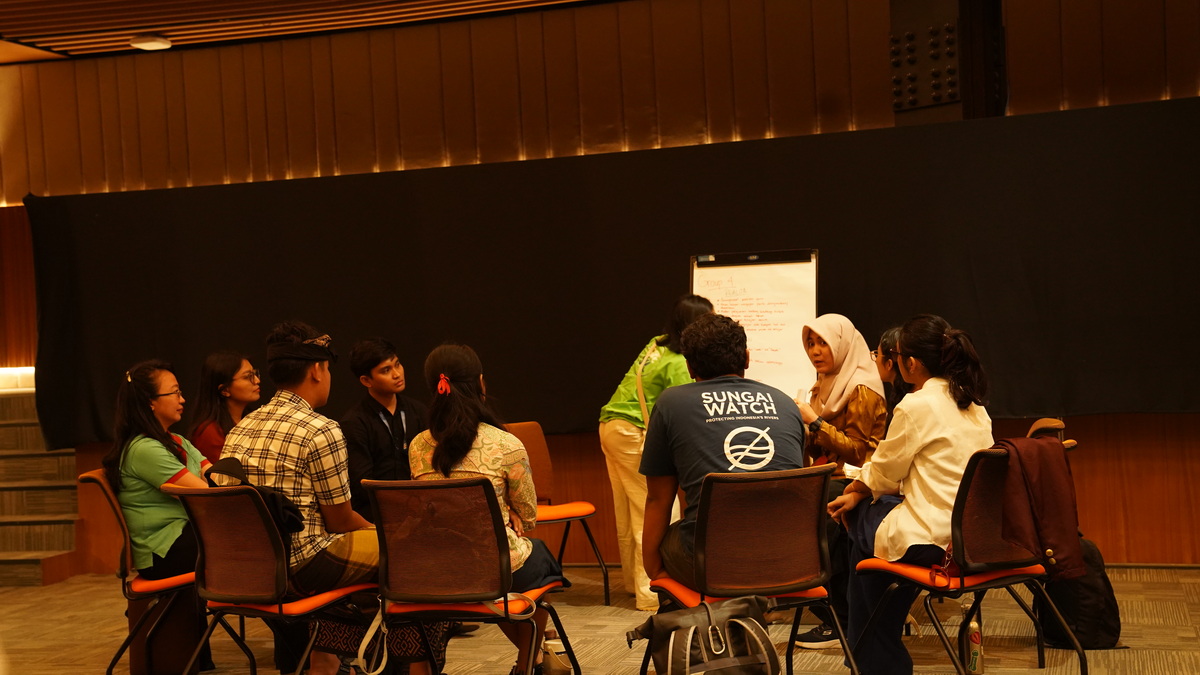
One of the most emotional parts of the discussions centered around the idea of emotional safety within classrooms. Many students shared that they want learning environments where they feel safe asking questions, expressing opinions, making mistakes, disagreeing respectfully, and participating without fear of shame or judgment.
Again and again, participants reflected on a simple truth:
Students learn better when they feel seen, heard, supported, and trusted.
One participant wrote:
“The future classroom of Indonesia should be a space that cultivates hope. Students should feel that the future is worth striving for, that collective effort can create meaningful progress, and that the world will become better because of their presence and contributions.”
The room resonated deeply with this reflection. Perhaps one of the most important roles of education is not only to transfer knowledge, but also to help young people believe in themselves. Participants also discussed the importance of counseling support, emotional wellbeing, smaller classroom sizes, and stronger relationships between teachers and students.
Teachers Need Support Too
The discussions also highlighted something equally important:
Teachers are carrying a lot.
From administrative burdens and curriculum shifts to emotional responsibilities and changing student needs, many educators are constantly trying to adapt while still showing up fully for their students.
Participants acknowledged that teachers should not only be viewed as instructors, but also as mentors, facilitators, and trusted adults who help shape students’ growth. At the same time, teachers themselves also need stronger support systems, wellbeing support, capacity building, and opportunities to continue learning.
Several discussions also touched on the generational gap between younger teachers and older teaching approaches, particularly regarding communication styles and student engagement.
AI Should Support Learning, Not Replace Human Connection
AI naturally became one of the most discussed topics throughout the forum. Participants acknowledged that AI can make information and learning more accessible than ever before. But many also expressed concerns about overdependence, declining curiosity, and reduced critical thinking.
Rather than rejecting AI completely, participants emphasized the importance of helping students use technology responsibly and ethically. Because no matter how advanced technology becomes, education still needs human connection.
Reflection. Discussion. Creativity. Empathy. Community.
These are things technology should support, not replace.
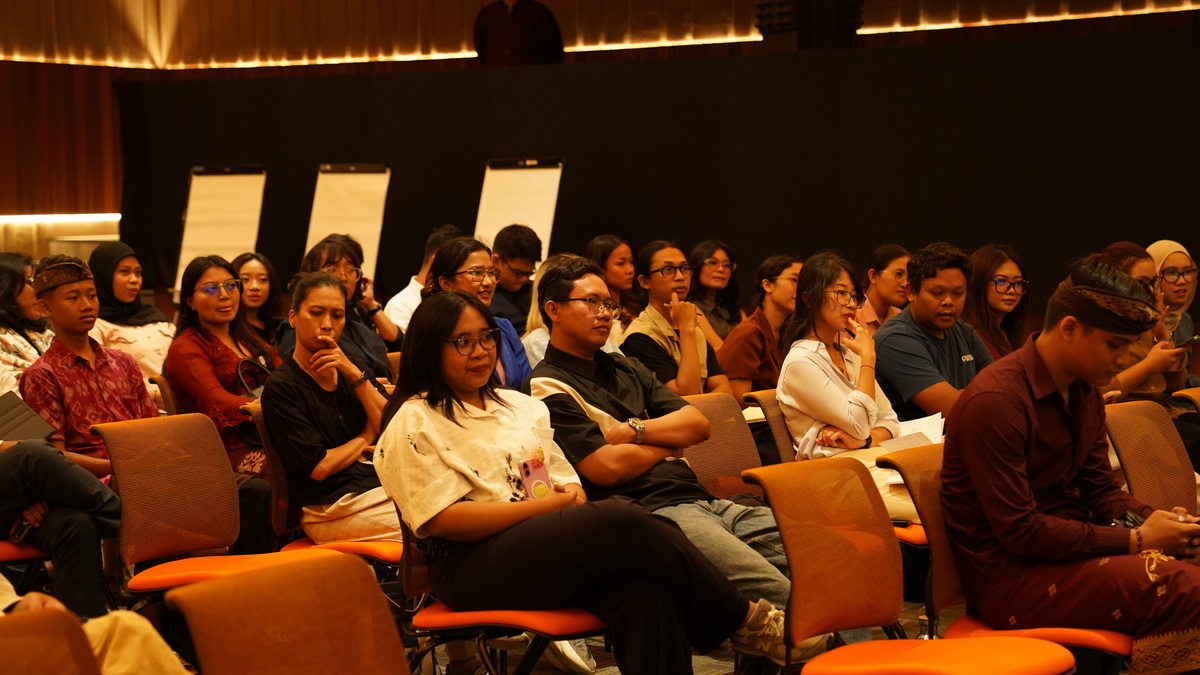
The Conversation Does Not Stop Here
One thing became very clear throughout Future Classroom of Indonesia:
The future of education cannot be built by one stakeholder alone.
Students, teachers, schools, universities, governments, NGOs, communities, families, companies and organizations all have a role to play.
Participants envisioned a future of education that is:
- more human-centered,
- more hopeful,
- more practical,
- more emotionally safe,
- more connected to real-world challenges, and
- more empowering for young people.
For YOUTHTOPIA, this conversation is only the beginning.
YOUTHTOPIA will continue bringing these conversations to different regions across Indonesia. Listening to students, educators, communities, and changemakers to gather grounded insights on the future of learning.
We believe there are already many incredible people and organizations working to improve education, leadership, sustainability, and youth empowerment across the country. Through this initiative, we hope to connect those efforts, amplify local voices, and create more collaborative learning ecosystems for young people.
If you are interested in collaborating to organize the Future Classroom of Indonesia in your city, school, community, or region, or would like to support the creation of more youth-centered insights, discussions, and educational initiatives, we would love to connect with you.
Reach out to us at info@youthtopia.world.