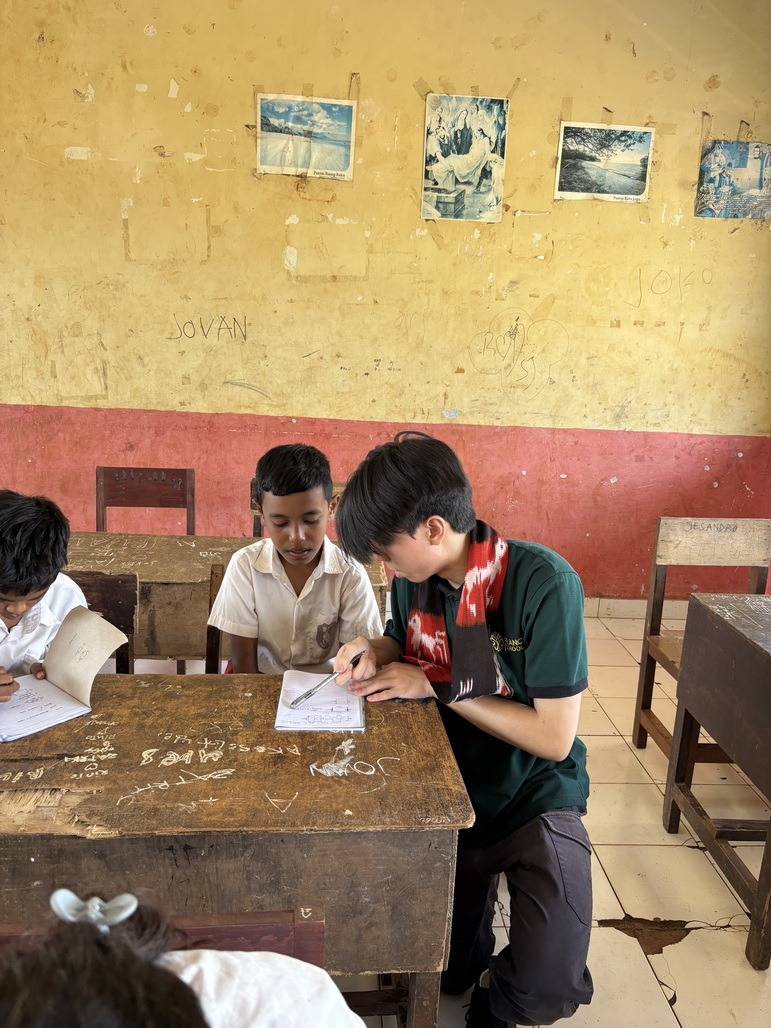
Rewriting the Future of Education in Indonesia, One Detergent at a Time
The UN established education as a fundamental human right in Article 26 of the Universal Declaration of Human Rights in 1948. Yet, for millions of children across Indonesia, this right remains an unattainable luxury. The harsh reality of financial hardship forces countless students to abandon their classrooms every year, trading textbooks for work in fields just to help their families survive.
The Harsh Reality of Education in Indonesia
In 2021 alone, over 75,000 Indonesian children lost their opportunity to learn, with economic constraints cited as the primary cause of dropout . These statistics represent children forced to become the breadwinners of their families, trading their chance to learn, dream, and build a better future for their families' immediate survival.
Teachers, the backbone of any education system, face their own crisis as many go months without receiving their salaries. Schools in remote regions struggle to meet national standards, with inadequate facilities and learning materials . Some face the ultimate threat: closure due to lack of funding.
A Story of Simple Beginnings
Despite government efforts to guarantee educational access for underprivileged students, children in remote areas continue to face significant obstacles in obtaining this support.
Recognizing how fortunate we were to have easy access to quality education, we felt a deep sense of responsibility to extend that opportunity to our less privileged brothers and sisters.
So in 2021, from a remarkably simple yet powerful idea, Kakak Baik Foundation was founded. Our founder, Kenneth Vemory, now an undergraduate student in Hong Kong, recognized that solutions do not need to be complicated to be effective. Sometimes, change begins with something as ordinary as soap. Kakak Baik Foundation began by selling eco-friendly detergents and soaps, channeling every rupiah raised toward paying school fees for students in remote areas.

Soap Sales to Systemic Change
What started as a modest fundraising effort quickly evolved into something more transformative. The foundation's Kakak Asuh initiative marked a significant expansion—moving from one-time fee payments to committing to fund the entire educational journey of 138 students in a school in Sumba, East Nusa Tenggara.
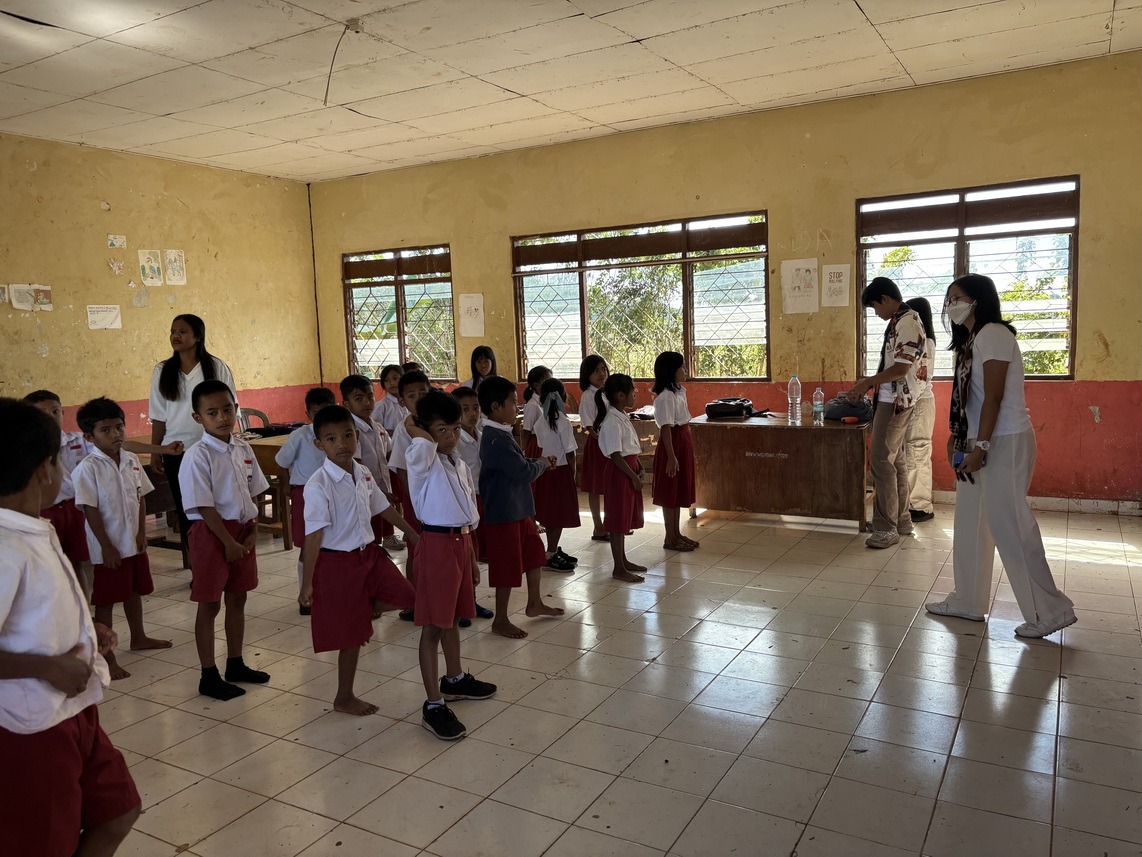
In Sumba, an island known for its stunning landscapes but also for its challenges with access to basic services, the program doesn't just support students. After receiving the grant from Youthtopia, we were able to extend our care to teachers, ensuring they receive the wages they deserve and the professional support they need.
Conclusion: A Call to Action
The Kakak Baik Foundation's story is a reminder that transformative change often begins with small steps. Selling soap to fund school fees was a simple act of faith—faith that every child deserves education, and that communities have the power to make change happen.
As the foundation looks toward expanding its Kakak Asuh initiative to more schools across Indonesia, it invites others to join this movement. Whether through direct support, partnership, or simply spreading awareness, everyone has a role to play in ensuring that education becomes a right, not a luxury, for every Indonesian child.